





Pulse Oximeter: What It Does, How It Works & When You Should Use One
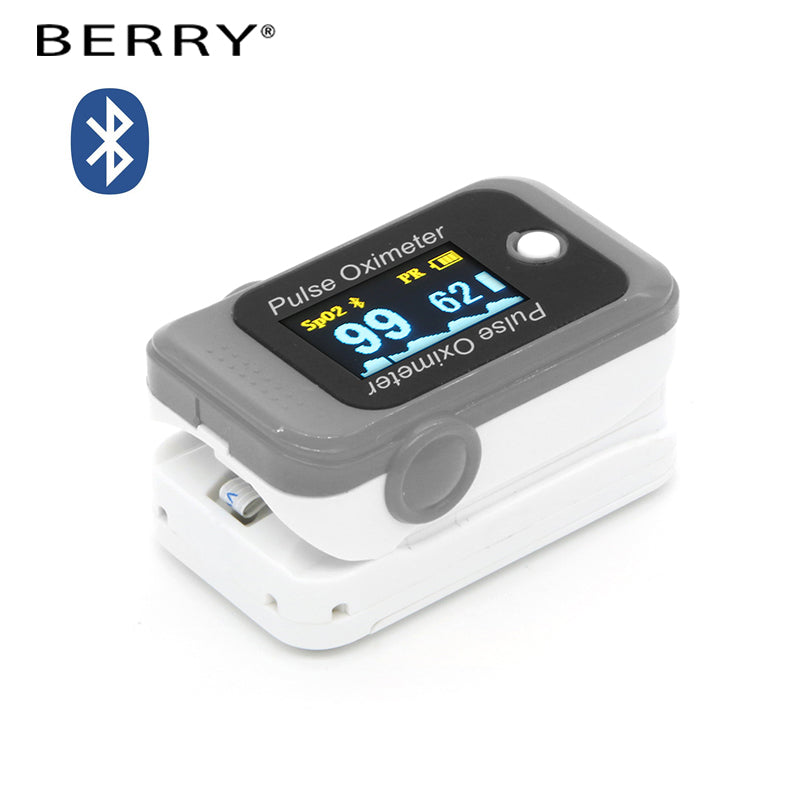
A pulse oximeter is a small device used to measure the oxygen level in your blood and your pulse rate. It is commonly clipped onto a fingertip and provides a quick, non-invasive reading within seconds.
Pulse oximeters are widely used in hospitals, pharmacies, aged care, and at home to help monitor respiratory health. Many people use them during illness, recovery from respiratory infections, or to help manage chronic conditions such as asthma or COPD.
What Does a Pulse Oximeter Measure?
A pulse oximeter measures:
- SpO2 (oxygen saturation): The percentage of oxygen carried in your blood.
- Pulse rate: Your heart rate in beats per minute.
Most healthy people will usually have an oxygen saturation level between 95% and 100%, although this can vary depending on individual health conditions.
How Does a Pulse Oximeter Work?
Pulse oximeters use light sensors to estimate oxygen levels in the blood. The device shines light through your fingertip and measures how much light is absorbed by oxygenated and deoxygenated blood.
The process is painless and usually takes only a few seconds.
When Might Someone Use a Pulse Oximeter?
People may use a pulse oximeter for many different reasons, including:
- Monitoring oxygen levels during respiratory illness
- Checking oxygen levels during recovery from infection
- Managing chronic respiratory conditions
- Monitoring oxygen levels during sleep or physical activity
- Supporting general health monitoring at home
Healthcare professionals may also recommend pulse oximeter monitoring after surgery or during ongoing medical treatment.
Tips for Getting an Accurate Reading
To improve reading accuracy:
- Rest your hand before testing
- Keep your fingers warm
- Remove dark nail polish if possible
- Stay still while the reading is being taken
- Follow the manufacturer’s instructions
Cold hands, movement, artificial nails, and poor circulation can sometimes affect results.
When Should You Seek Medical Advice?
A pulse oximeter is a monitoring tool and should not replace professional medical advice.
You should seek medical advice if:
- Your oxygen levels are consistently lower than expected
- You have difficulty breathing
- You experience chest pain, dizziness, or worsening symptoms
- You are unsure how to interpret your readings
If symptoms are severe or urgent, contact emergency services immediately.
Choosing a Pulse Oximeter
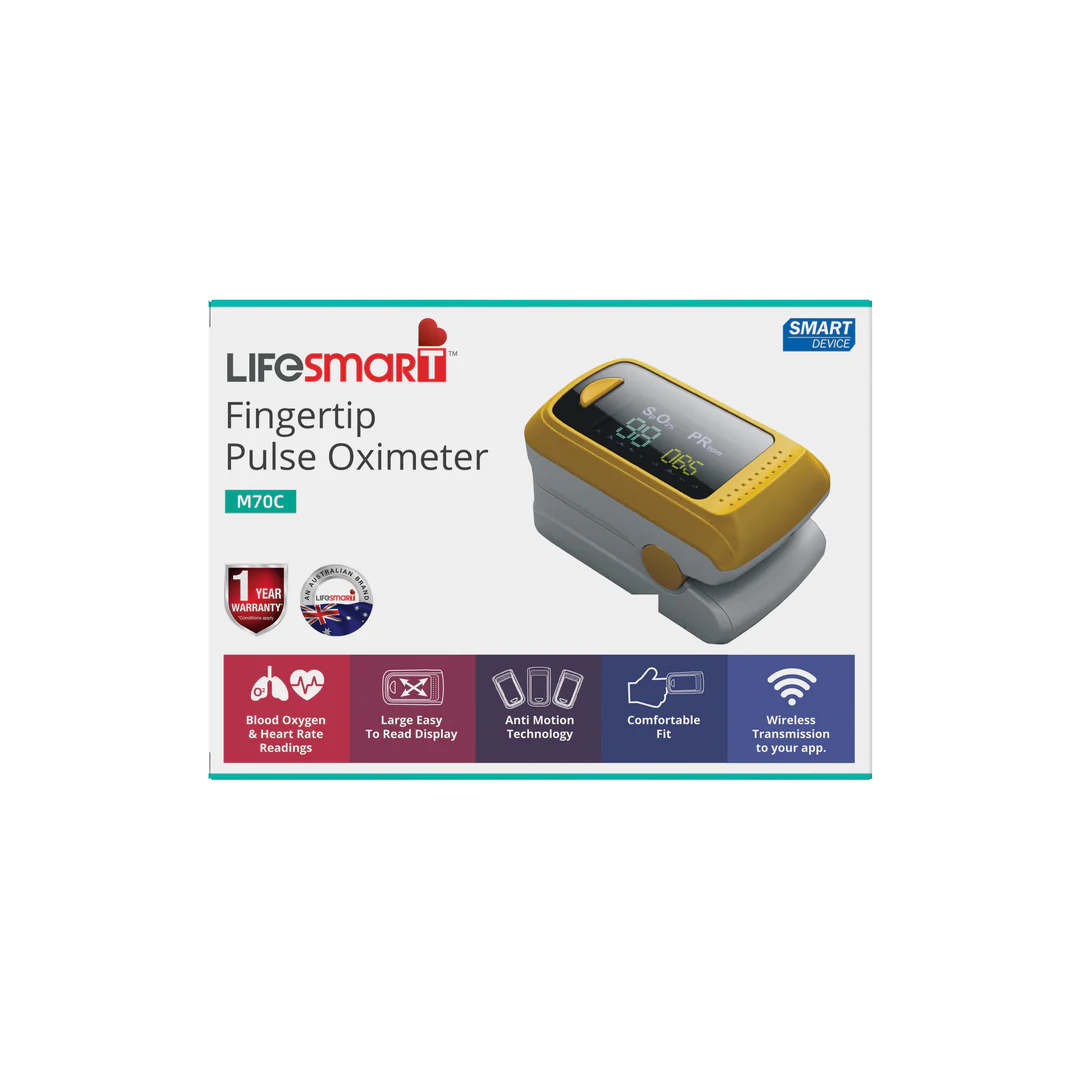
There are many pulse oximeters available for home use. Features can include:
- Large digital displays
- Adjustable brightness
- Portable compact designs
- Rechargeable or battery-operated models
- Memory or app connectivity
When selecting a device, consider ease of use, readability, and whether the device suits your individual health needs.


